Every summer monsoon brings the same catastrophic headlines across South Asia: inundated highways, overloaded drainage basins, and prolonged municipal gridlock. Yet across the lower Indus basin, civil planners are looking beyond conventional concrete channels toward a civilizational context that solved rapid runoff thousands of years ago.
The Engineering Logic of Kiln-Baked Channels
At Mohenjo-daro and Harappa, wastewater networks were not an afterthought built over expanding slums. Instead, city architects laid standardized, subterranean brick conduits before residential street grids were erected, ensuring that monsoon overflow moved seamlessly toward peripheral agricultural soak pits.
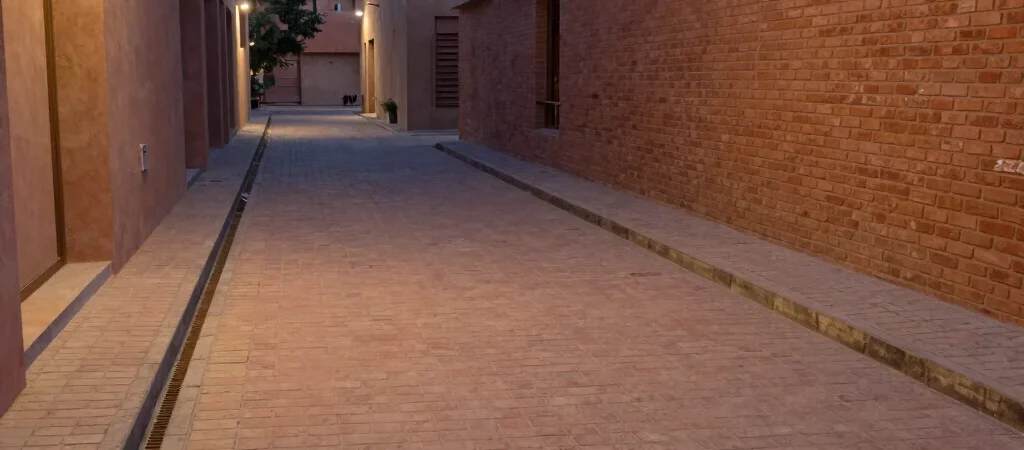
Modern municipal authorities in Lahore and Karachi face systemic collapse precisely because private real estate development frequently chokes historical natural drainage lines. Reintroducing gradient-based, permeable brick filtration along contemporary urban corridors offers a cost-effective path toward climate adaptation.
Urban Continuity in Modern Stormwater Management
Transitioning to resilient infrastructure requires treating urban drainage as a foundational civic priority rather than a seasonal emergency repair project. The urban continuity of the region proves that sustainable water management is not an imported luxury, but an indigenous tradition native to the river valley.